

About OS Studio
Orelier Social’s next phase as a public-interest initiative studying the mechanics of digital life and proposing more humane principles for online environments. Here, we outline the emerging “social studio” model as an alternative to conventional social media, built around creative work, safer networking, long-form publishing, and project support.
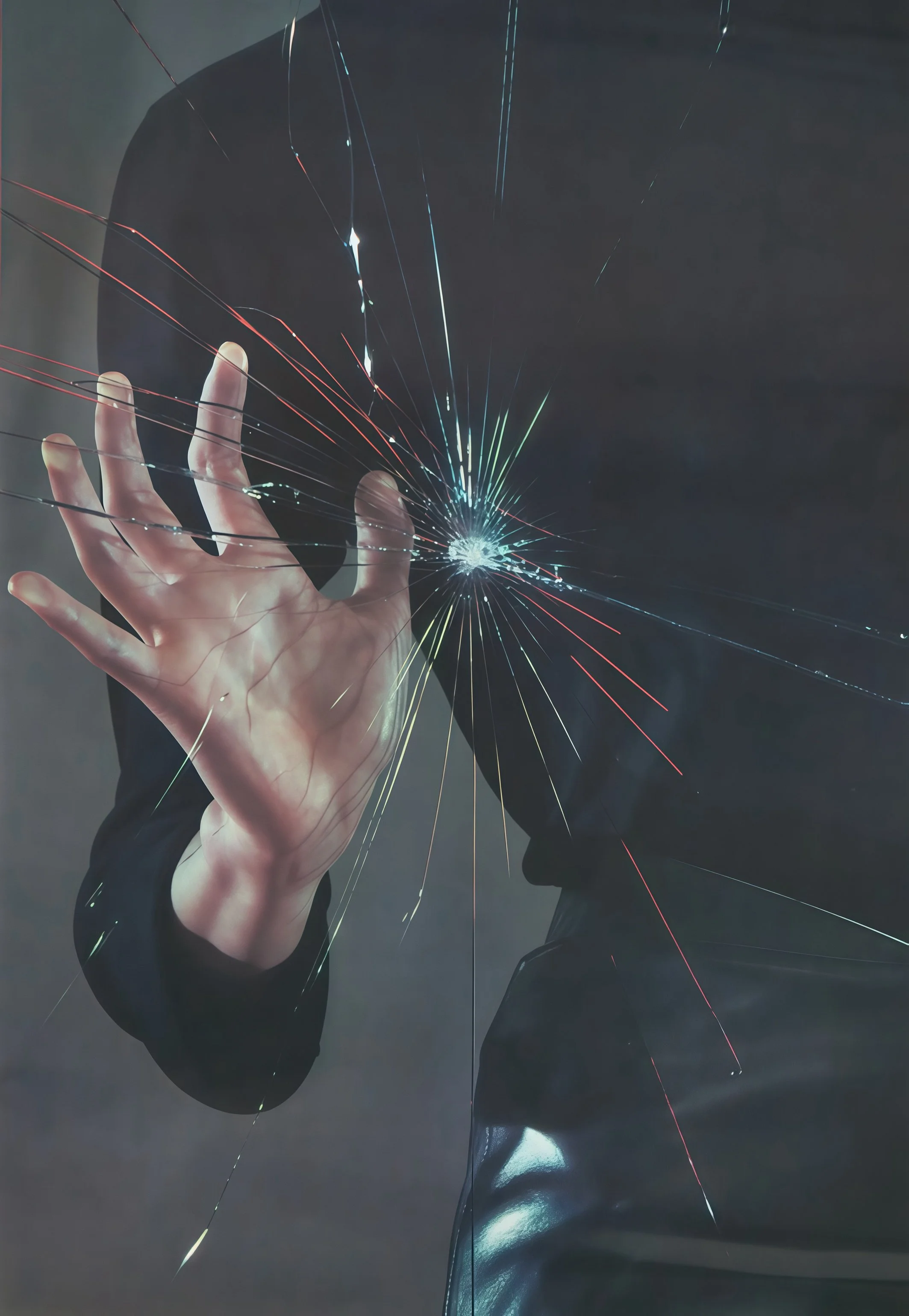
Weaponized Mirror
Trapped in a digital "black hole," humanity's lived experiences are commodified by Big Tech into distorted reflections that fuel asymmetric power and erode democracy. To survive this multifaceted crisis, we must reject narrow viewpoints and adopt a compound, "dragonfly" perspective that accounts for all human and environmental costs.

Resource Consumption
Orelier has launched an initiative to build an open-access tool by 2029 that estimates AI's water and energy footprint while accepting the reality and promoting mindful prompting. By integrating existing tracking tech, we aim to help users reduce resource waste and decide when a task is better left to human thought.

New Developments
We’re in the process of upgrading our live prototype into an open-source app design on GitHub while launching a UX Ethics course on our site to help tech businesses ditch attention traps. Plus, Orelier is now an official IRS-registered unincorporated association, meaning we can formally accept donations through our sweet little honor system. We’re super pumped.
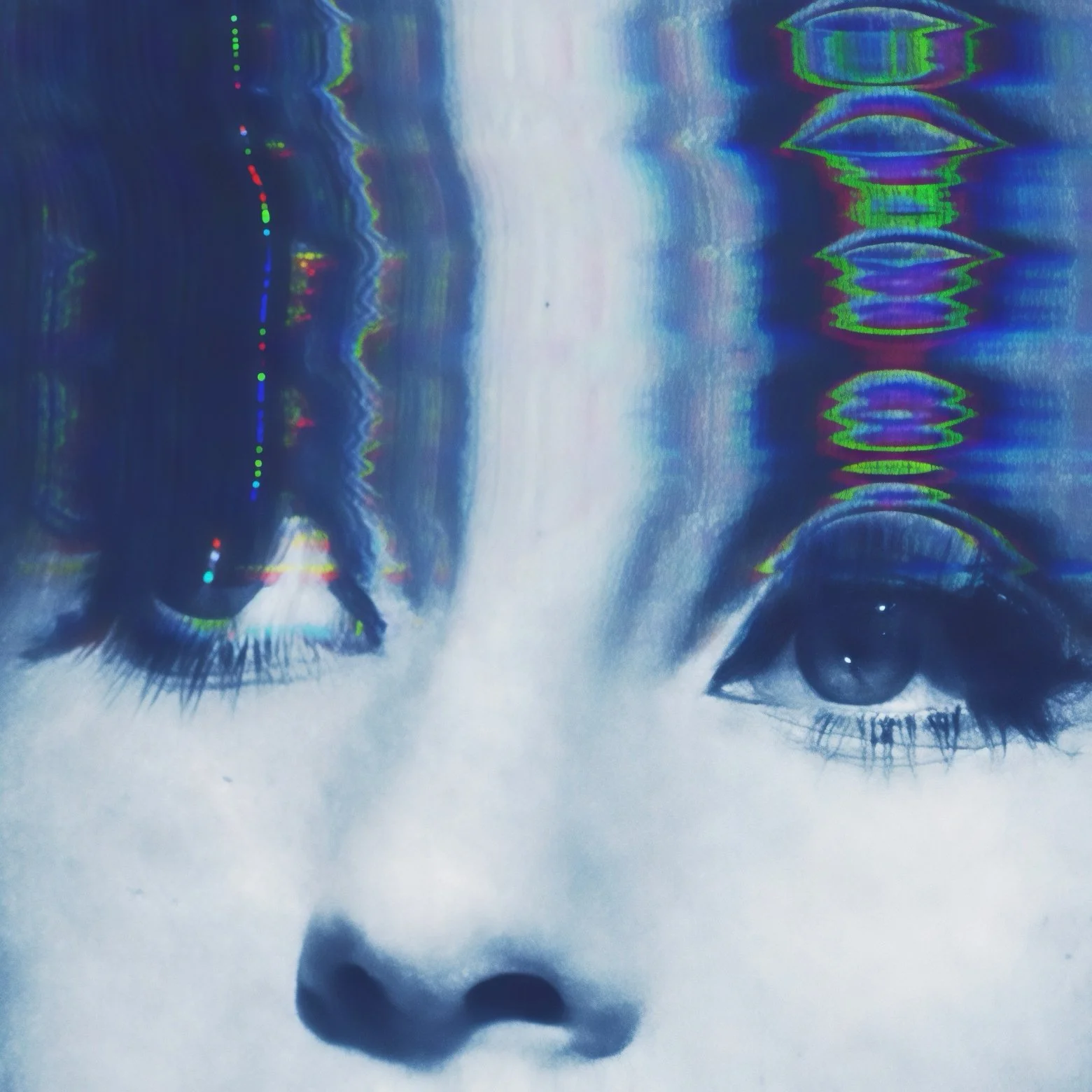
Against AI Utopianism
Corporate AI hype hides the darker reality that tech giants are extracting small-town resources to fuel their machines. The real threat is not the machines as much as our passive consumption of them. Used intentionally, AI can become a powerful lever for learning and autonomy.
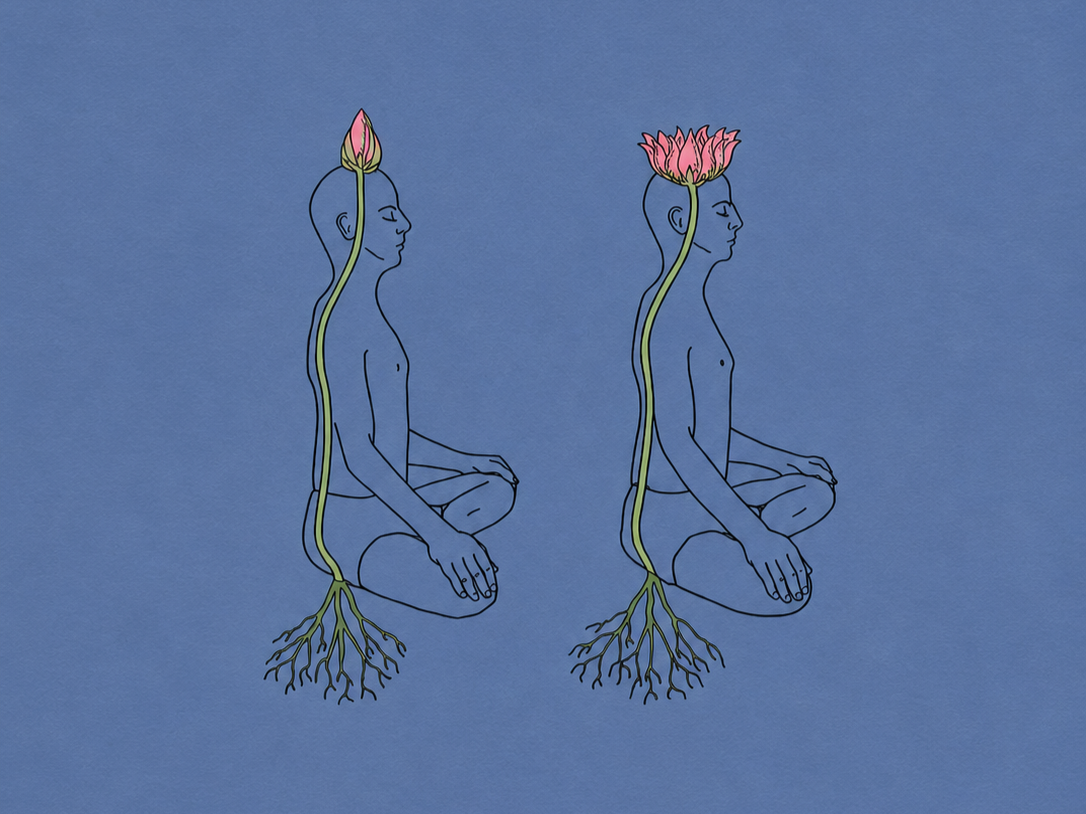
Strong Interior Design
This essay traces how "self-consciousness" mutated from a noble philosophical state of agency into a neurotic, modern anxiety driven by digital surveillance and consumer culture. It calls for a radical reclamation of interiority, urging us to choose unobserved presence over the curated performance of our lives.
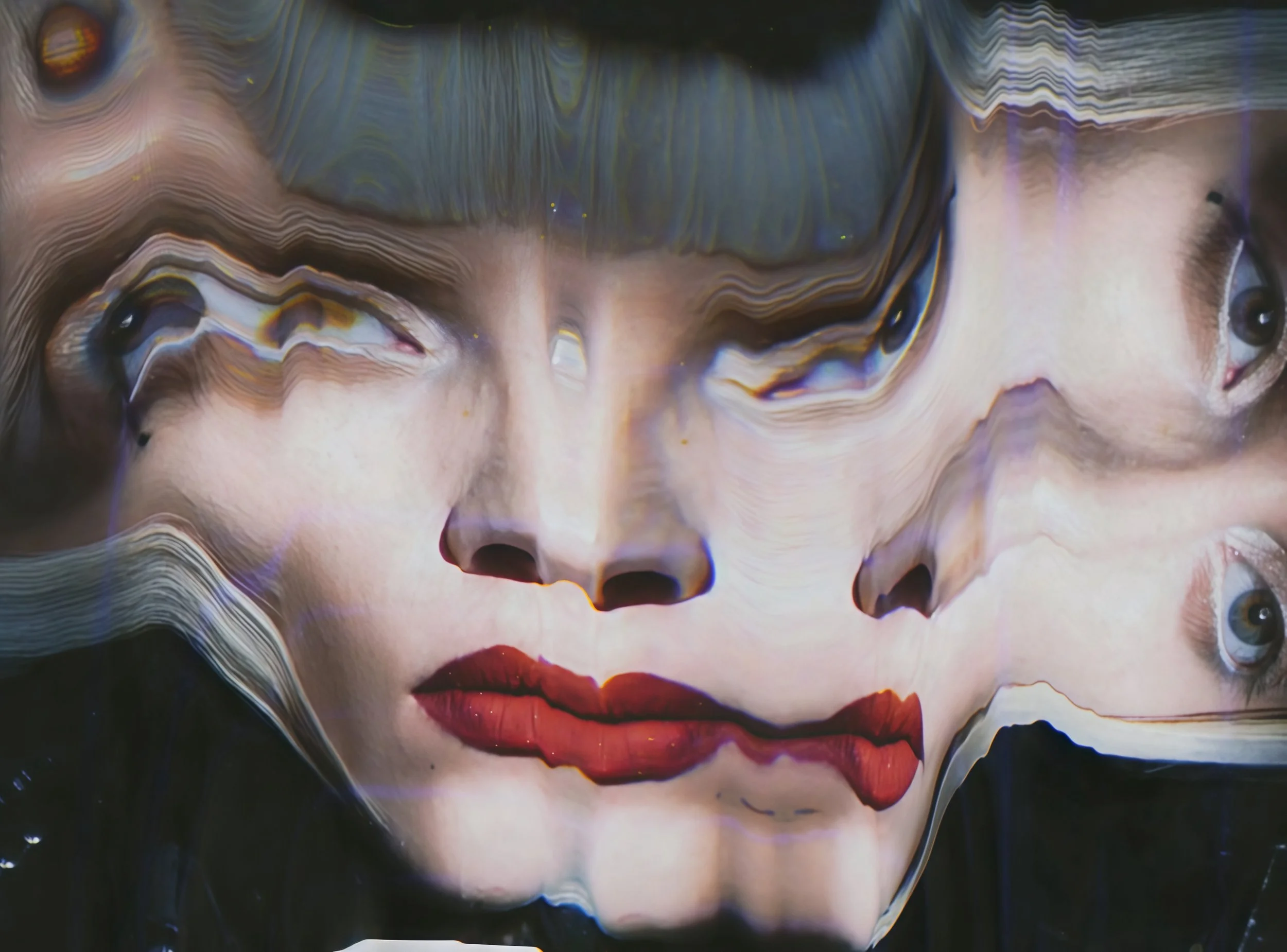
Reality Check
AI is no longer the next technology story, it’s the next reality story. This piece reads the past 48 hours of AI news as one cultural signal, a moment when power, perception, labor, politics, and truth all seem to turn inside out, forcing the public to learn how to think inside the flood.
This is a developing story.
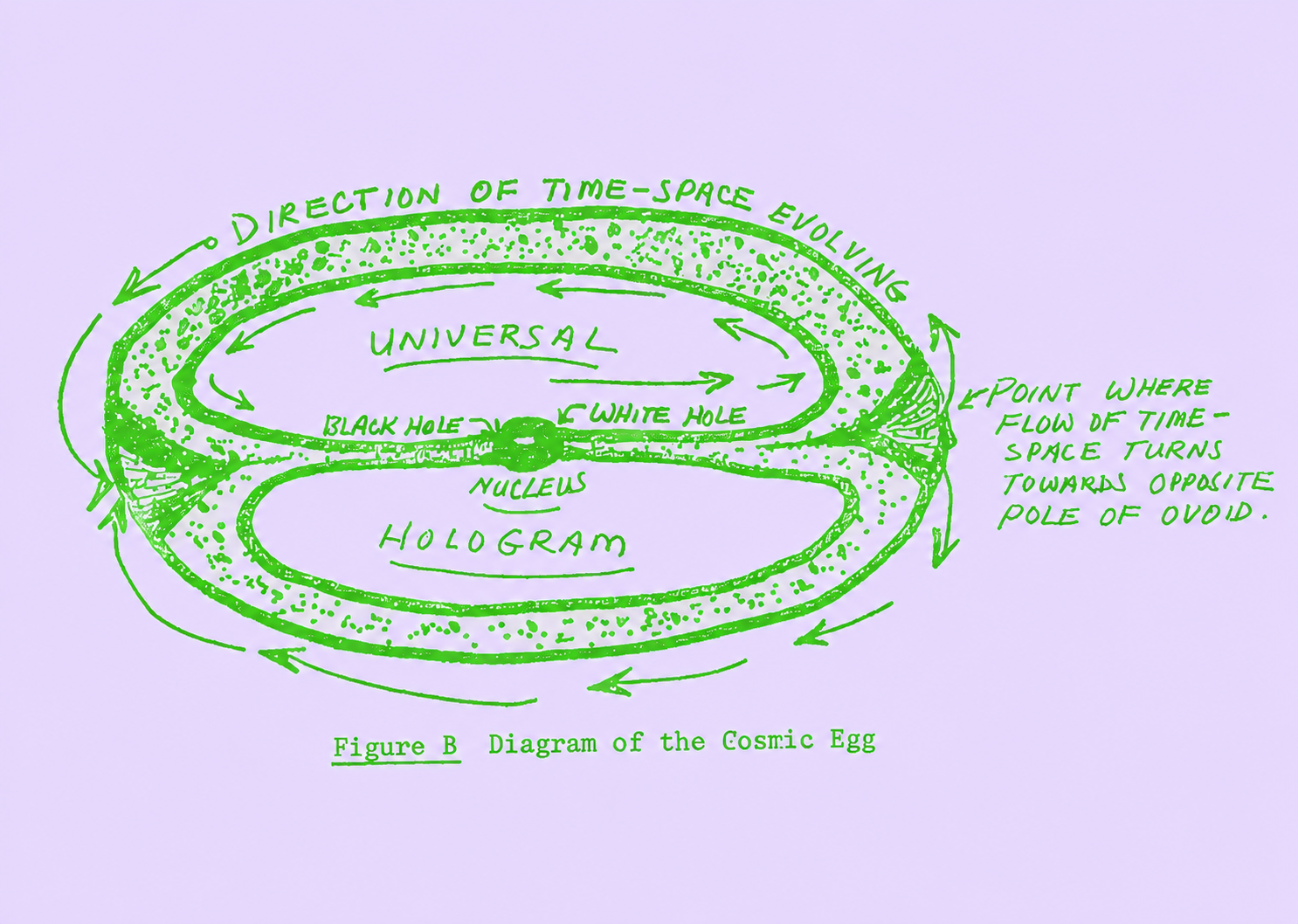
The Gateway Problem
AI becomes the crowbar into the state’s metaphysical filing cabinet, where Gateway physics, reincarnation data, and platform control start looking dangerously connected. The scandal is that reality was never flat, but the public was trained to scroll like it was.
My grandfather served with DIA during Gateway’s era.
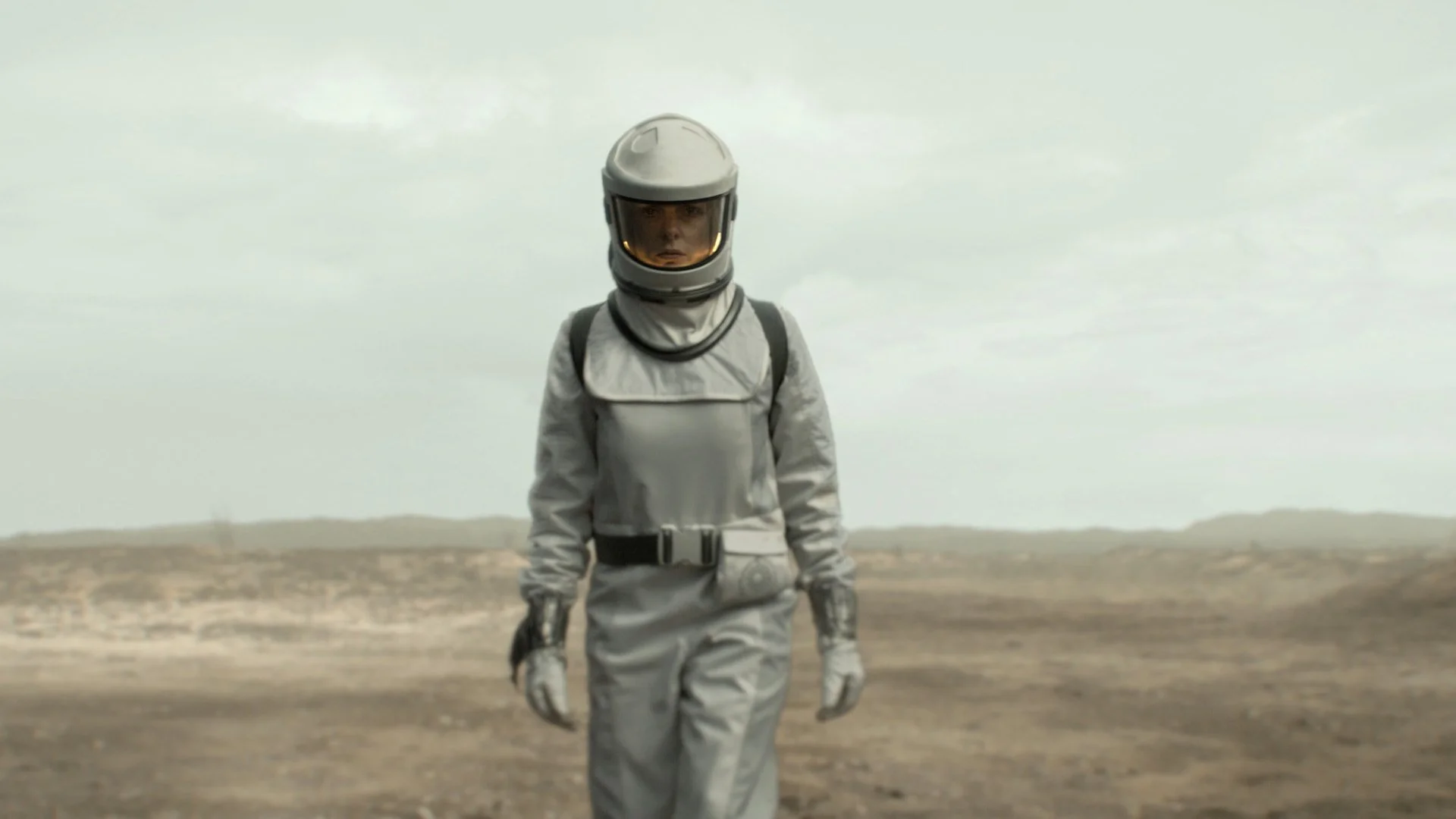
Too Familiar
A Silo future begins when crisis makes controlled survival feel reasonable, then permanent. The warning is not the bunker, but safety becoming obedience and reality becoming whatever the screen is allowed to show. It starts as “protection” before it’s about permission.
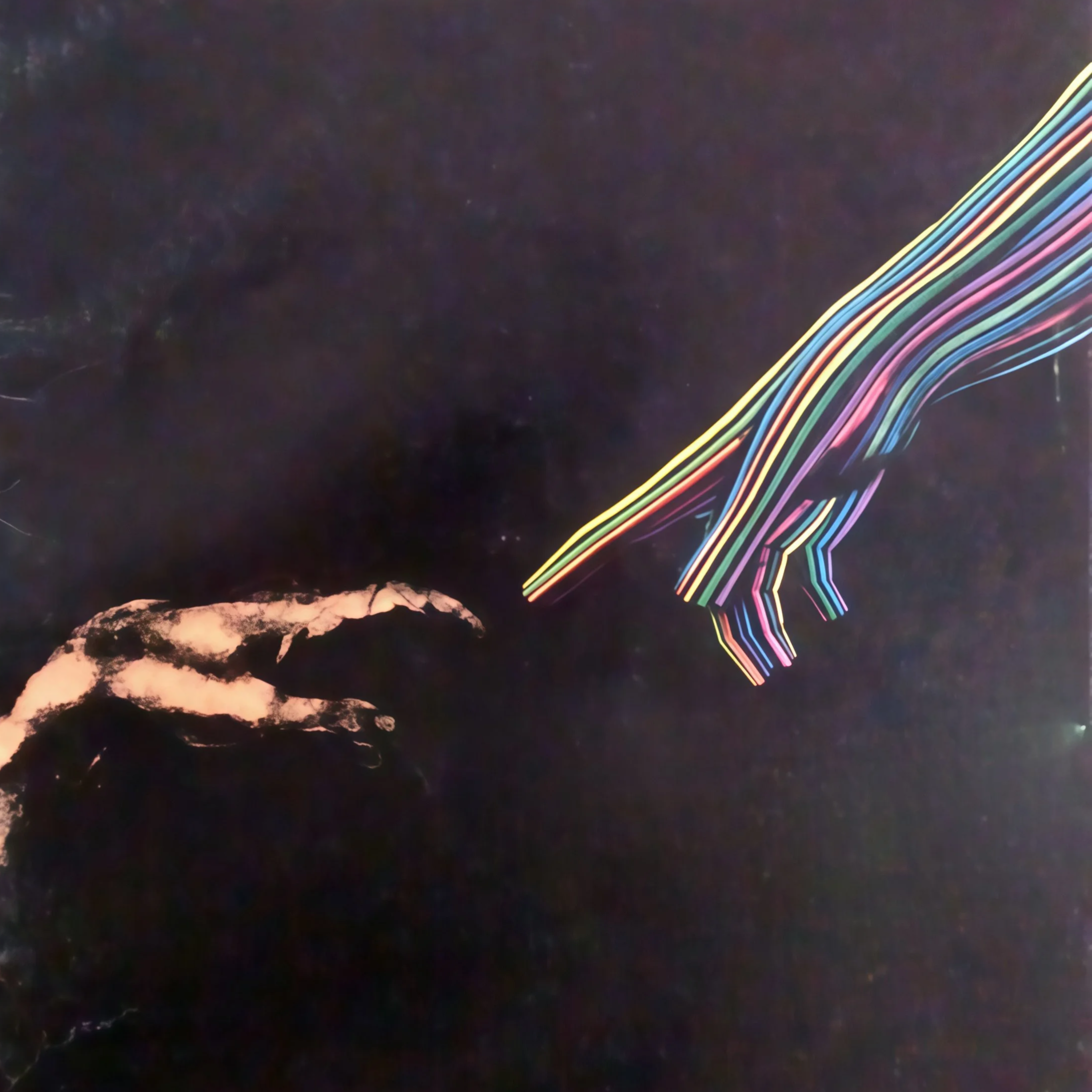
Next Phase of Humanity
We are entering a new phase in which war, AI, markets, climate, courts, and public trust no longer operate as separate stories, but as connected systems shaping daily life. The task now is not to consume more headlines, but to develop systems literacy — the ability to see the hidden wiring beneath the news.
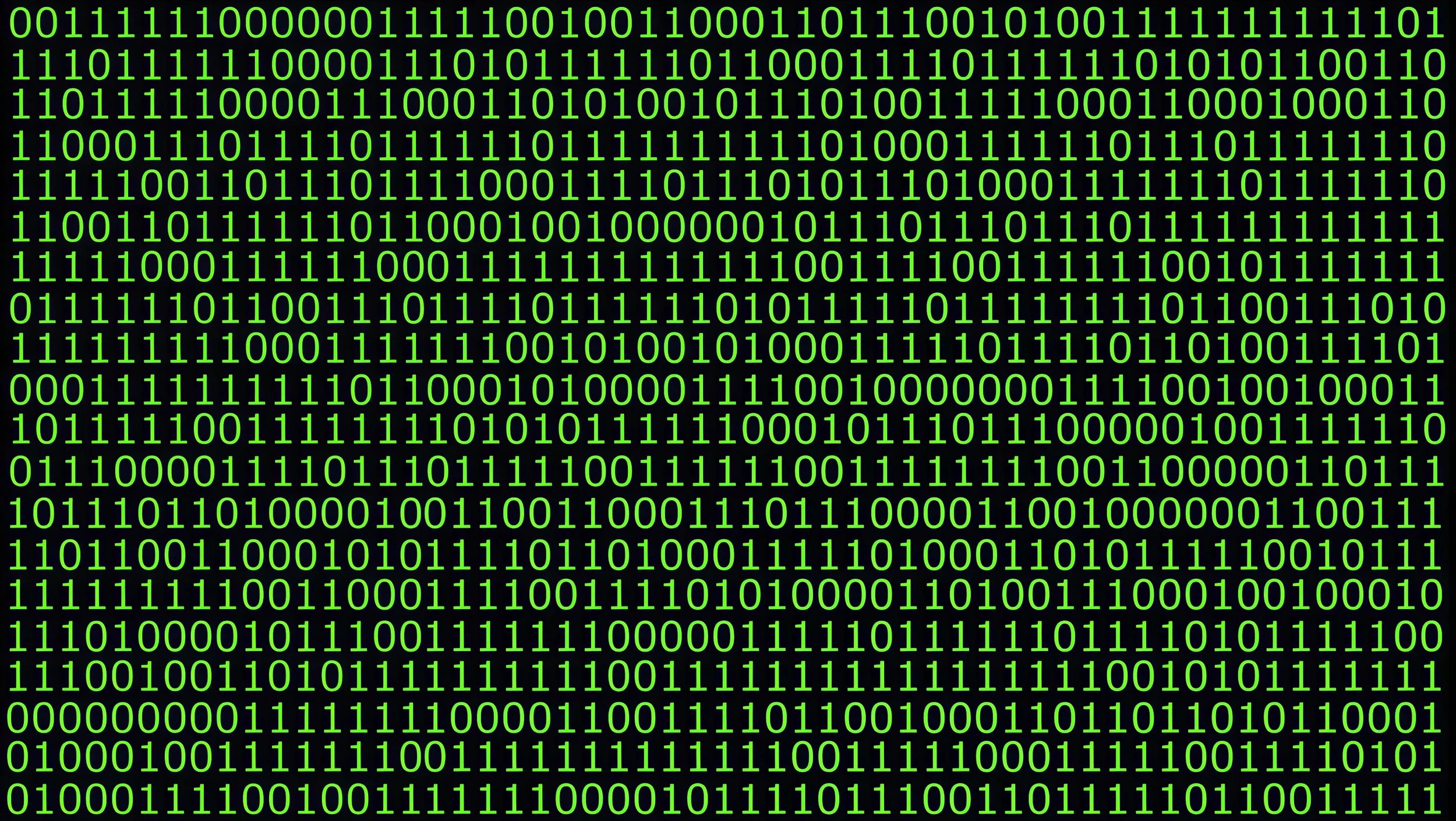
Binary Code — On/Off
A theory piece on capitalism, digital life, and the strange coma of modern existence, where money, metrics, platforms, and systems have organized the living world into something efficient but half-conscious. If 1 is life and 0 is organization, this essay asks what happens when a civilization overdoses on 0 and forgets how to feel its own pulse.
Empty Space
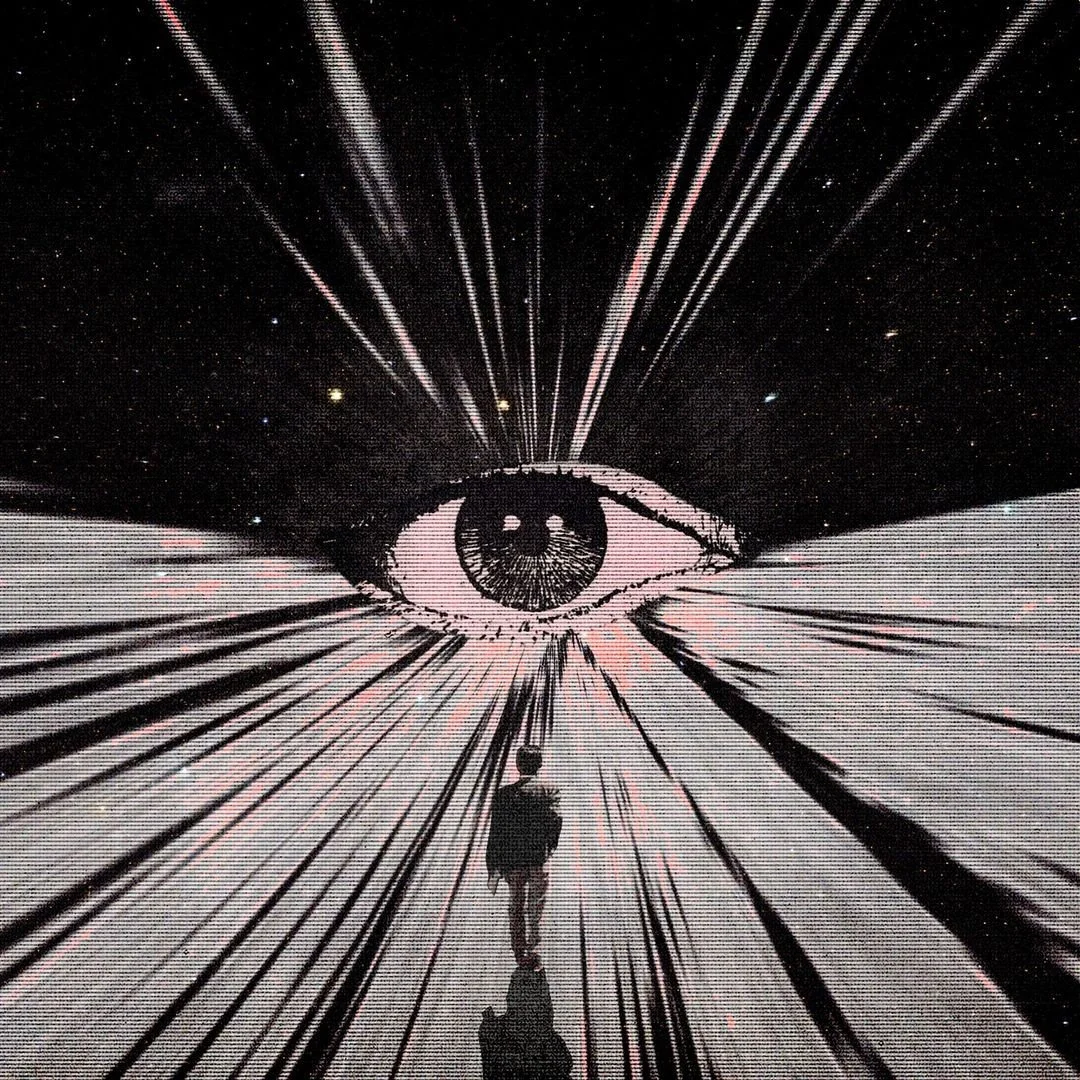
The eye, the camera, and the platform all begin with the same geometry, a dark aperture that decides what enters the world of perception. This essay follows that black circle from pupil to lens to feed, tracing how an opening once built for experiencing life became a tool for converting the self into an image to be consumed.
A Punk Contextualized
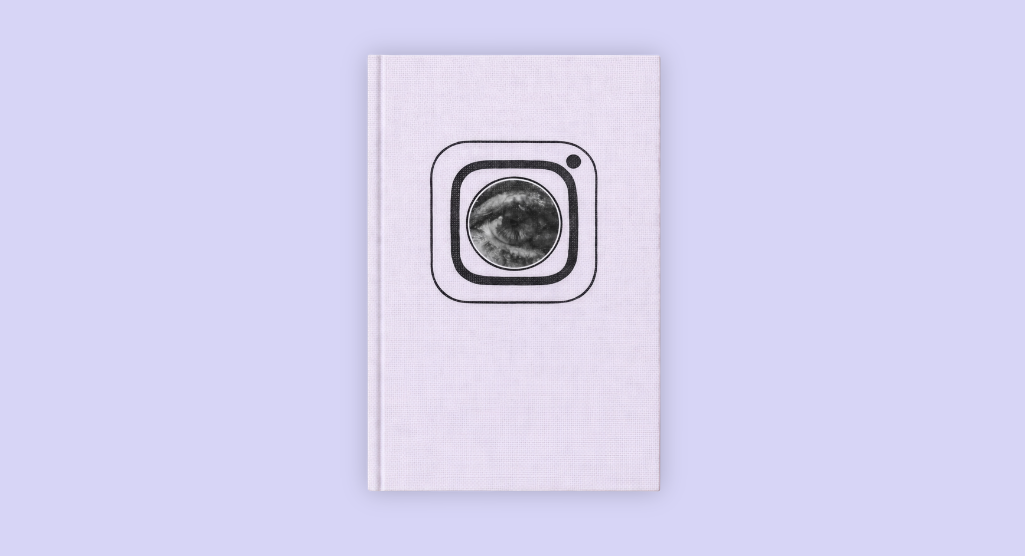
This exposé outlines what happens when a woman online refuses to conform and be an object of scrutiny. With wit, mischief, and strategic obscurity, it turns posting into a study of projection, risk, and the audience’s need to classify everything (and everyone) they see.
This essay has been adapted into a forthcoming book.

The Aquarium is Dirty
Comparing Instagram to an aquarium, this essay toughly argues that the real problem with social media is not only the content drifting past, but the tank itself — the design, conditions, and behavioral systems that determine life inside it.
This is a developing story.

The Buffet Chef
Here, we pull the algorithm out of folklore and into the limelight as a private ranking system that stalks you, conditions desire in the service of profit, and governs what rises, recedes, and feels worth seeing. What users often mistake for personalization is a textbook example of control.
Deeply Superficial
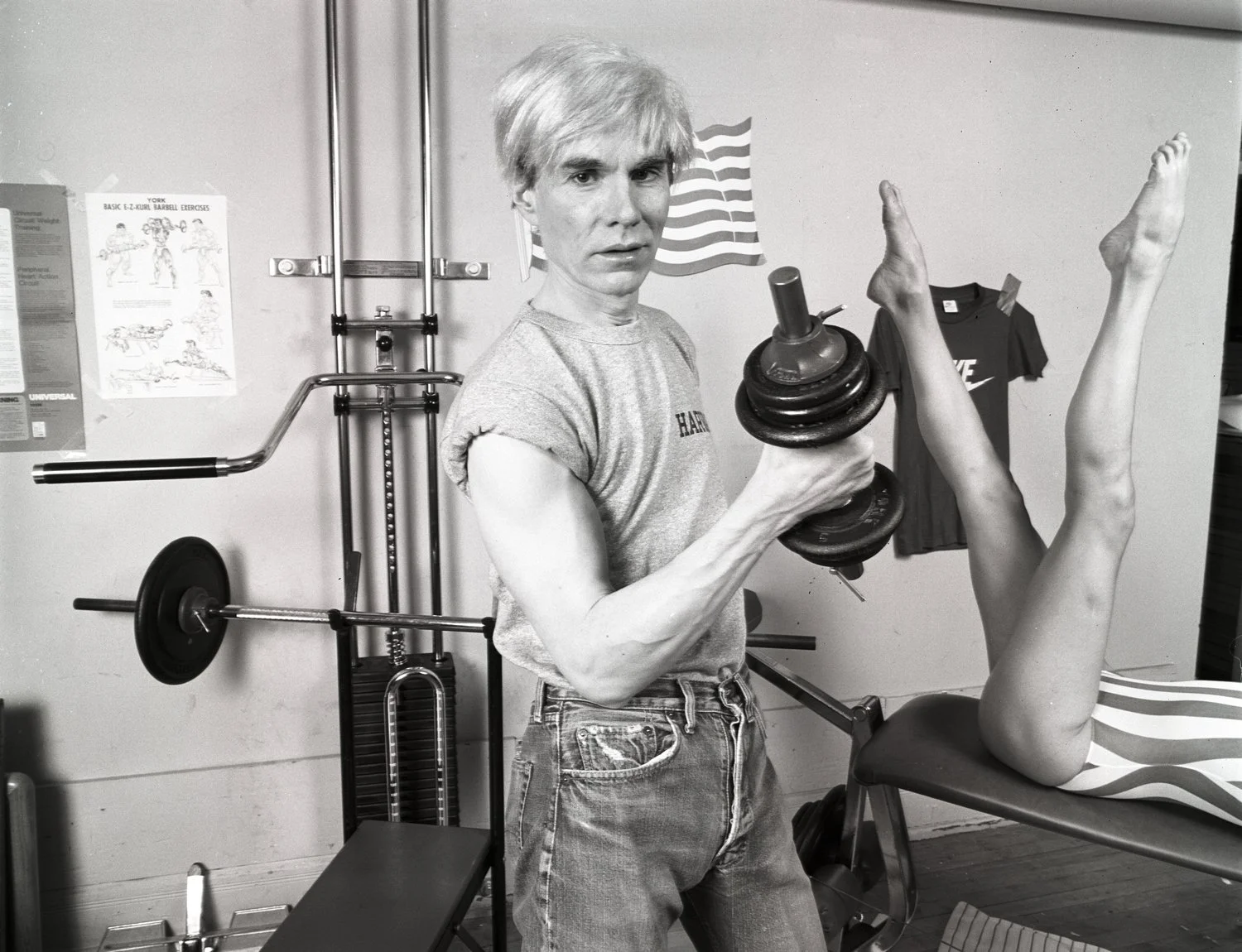
Drawn from my time working for Christopher Makos (Warhol’s wingman) this essay interprets Andy as an artist so motivated by consumer culture that its logic began to show through both the work and the brand. His “superficiality” proves to be a method for decoding the visual systems still running modern life.

The Fool’s Odyssey
A second essay about a contemporary digital inquiry and complex social experiment. Part memoir, part media analysis, it exposes years of contradiction as a long-form study of how social platforms manufacture the false perceptions we have of one another online.
This is an expansion of Terms of Exposure.
Terms of Exposure
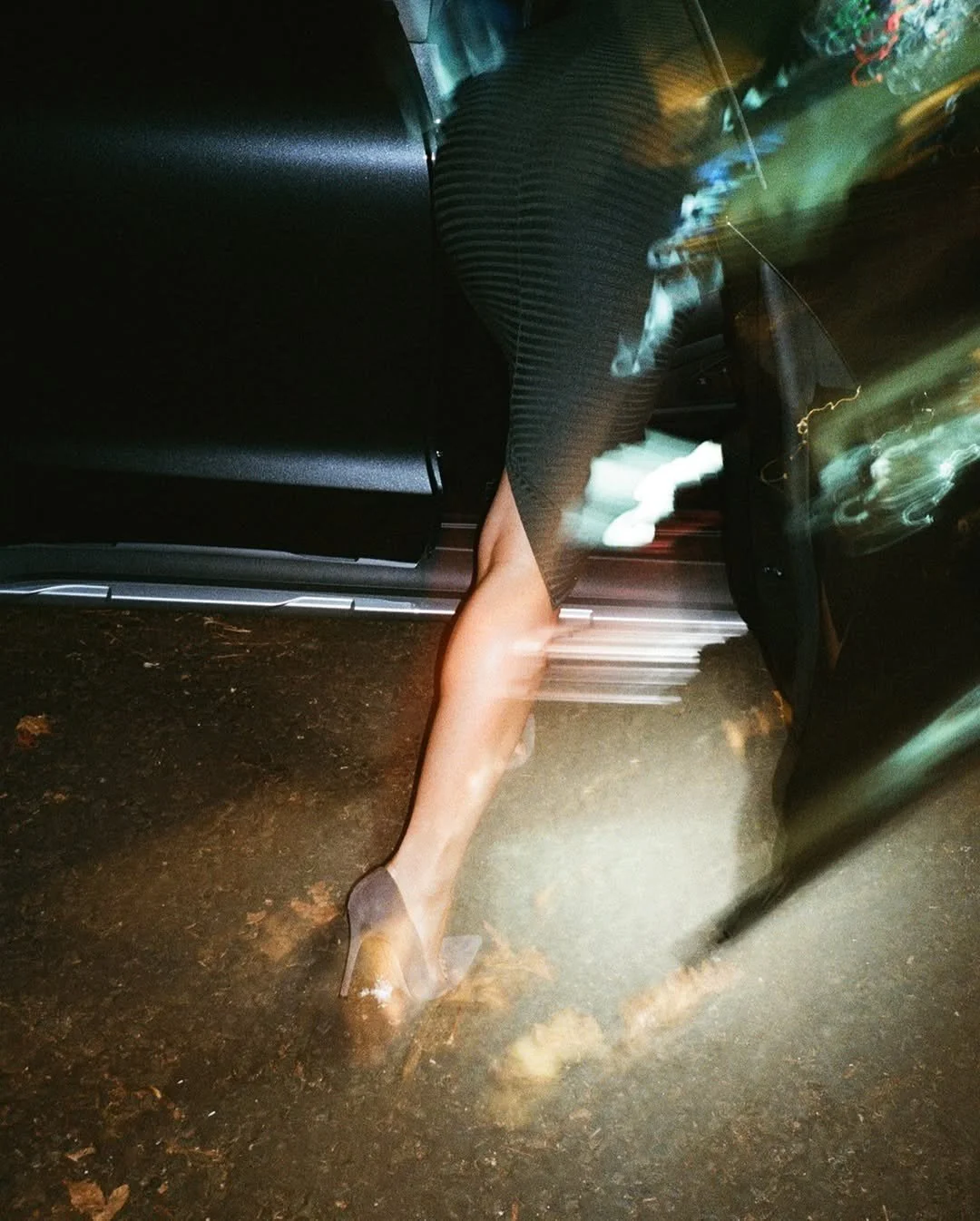
A somewhat covert research endeavor begins to surface, tracing how Instagram reorganized social reality from the inside. What started as observation became a record of digital life at its most seductive, absurd, and invasive.
Poking & Prodding
The story of using Instagram as a case study in order to understand how platforms disturbingly reward the body, superficial things, and sexual suggestion over original thought and critique. Here, we employ provocative digital activity to examine visibility versus suppression.
Zuck Found Guilty
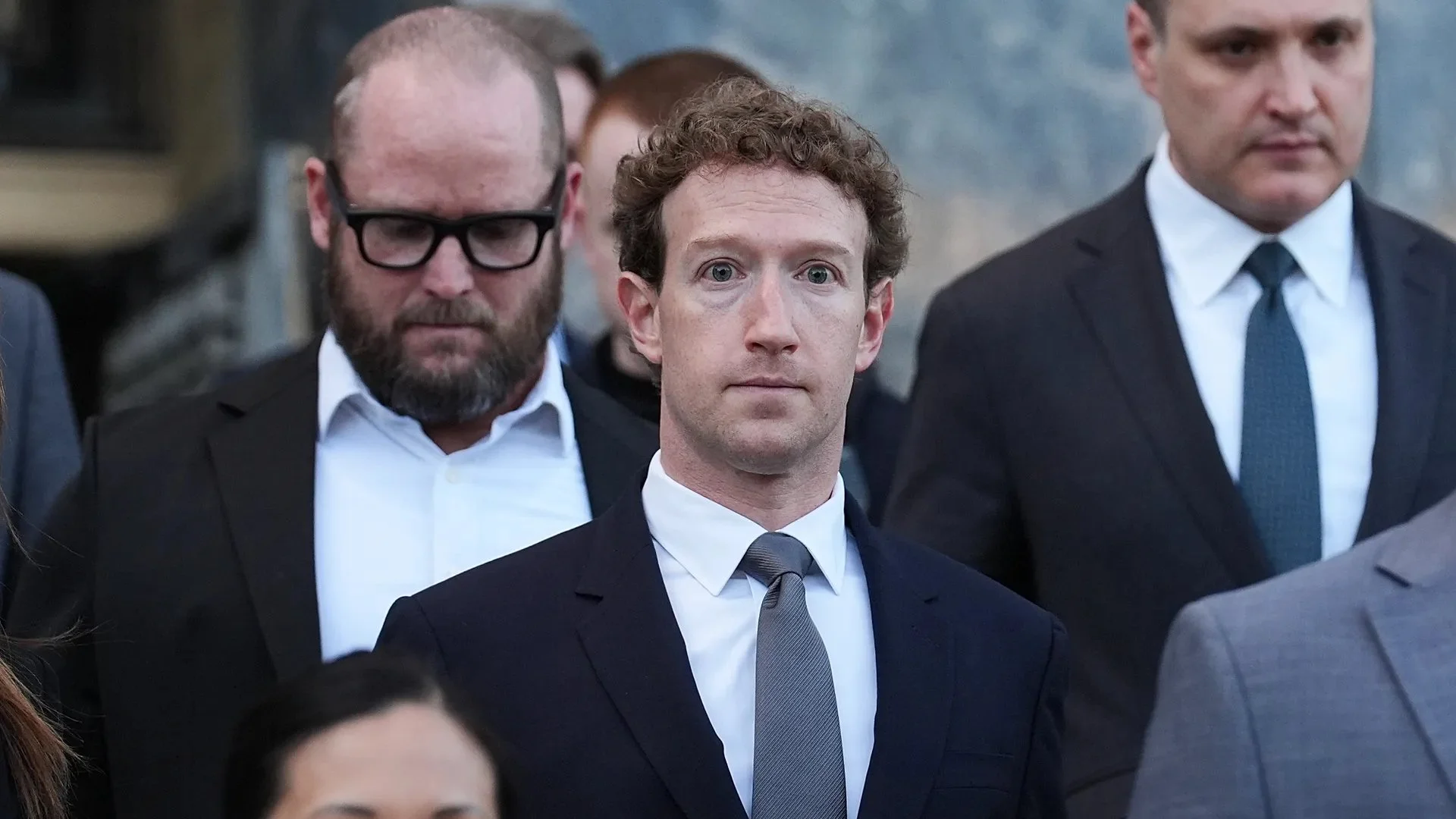
An initial reaction to the Meta verdict, as the trial revealed to the public that the root problem was never content alone but the UX of the platform itself, where Zuck’s greedy design choices impact emotional health, even when the user is off their phone.